The Rise of Meta TV: A World Obsessed With Fame
A new trend on TV has evolved right under our noses, and we’ve been too busy streaming to notice. Welcome to meta TV: shows about shows, the famous dissecting fame, Hollywood turning the camera on itself. In the past few years alone, we’ve streamed The Studio, Hacks, I Love LA, The Idol, and The Morning Show, just to name a few. Different networks, different tones, same obsession: the entertainment machine as the plot. And the truth is, we just can’t get enough.
Somewhere between prestige satire and industry in-joke, we’ve been bingeing stories about PR disasters, writer rooms, influencer meltdowns, agency politics, and celebrity-making machinery; all without stopping to ask exactly why our TV suddenly looks like a behind-the-scenes documentary in disguise.
In an era when Gen Z is disturbingly media-savvy, it makes sense that the hottest thing on TV right now is, quite literally, watching TV make itself.
Hollywood’s Self-Awareness: Bold or Gross?
The rise of meta TV isn't just about watching the machine—it's about dismantling it, expensive piece by expensive piece, and audiences are absolutely tuned in for the spectacle.
This trend exists on a spectrum. On one end, there's commendable, risk-taking self-critique. On the other, projects so aggressively tone-deaf and lacking in substance they deserve to be permanently archived.
The best meta shows aren't just winking at the camera, they’re throwing ethical bombshells into the C-Suite. It takes genuine nerve for a network-backed show to actually depict the darkest realities that go down, but some writers' rooms have been bold enough to lay it all out on the table. Only a few shows approach this with actual bravery.
Credits: ShowSnob
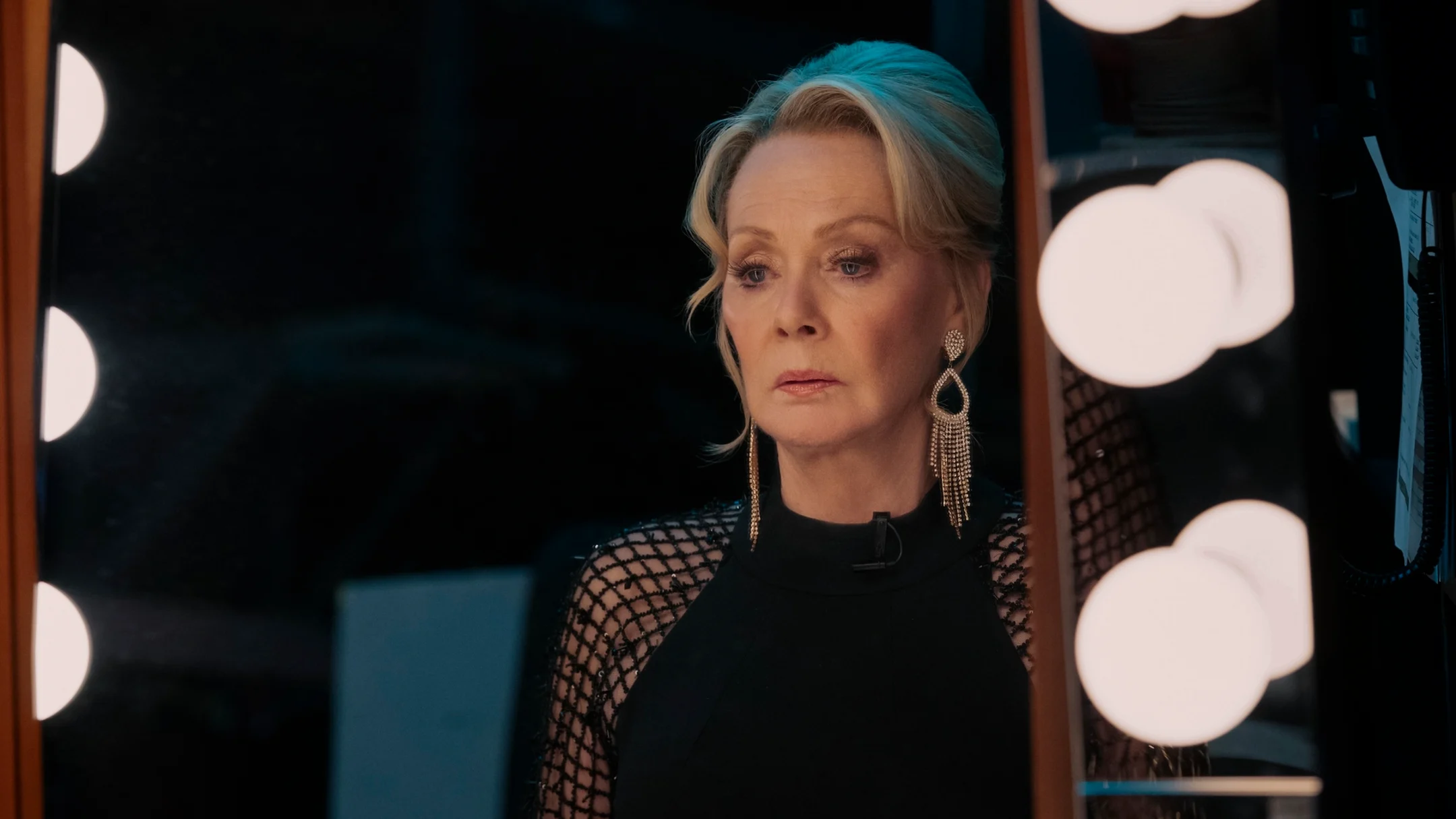
Hacks, for example, slips the mask in its latest season when Deborah Vance and Ava Daniels are pressured to protect a powerful sexual abuser. In a rare moment of honesty, the show stops being funny and starts telling the uncomfortable truth about how entertainment works. Deborah chooses to risk her lifelong dream rather than participate in a cover-up. It’s sharp, shocking, and genuinely self-critical: the kind of meta that actually means something.
Then you jump to The Studio, which plays like Hollywood holding up a mirror and saying, “Okay fine, this is who we are.” Seth Rogen’s character is a studio head who is constantly trying to convince directors and actors he has artistic vision, while they roll their eyes behind his back. The show lets us in on a dynamic that may feel familiar: executives versus creatives. But The Studio’s novelty is that it flips this dynamic on its head. Usually, executives are portrayed as all-powerful gatekeepers, while artists scramble for scraps of approval. But in The Studio, the execs are not running anything. They’re the insecure ones, scrambling, getting the worst part of the deal, running around babysitting talent and simultaneously looking for validation — for someone to tell them they’re too real artists.
What The Studio makes abundantly clear is that Hollywood’s real power doesn’t sit in the boardroom at all. Seth Rogen’s character keeps trying to project authority, but every episode reminds us that executives only exist because talent allows them to. It’s the actors and directors who hold the real creative capital; they’re the ones who shape culture, decide what gets made, and have the power to tank or save a project with a single whim. The show flips the traditional hierarchy and shows the truth insiders already know: Hollywood runs on talent, not titles, and the execs are mostly there to nervously orbit the people audiences actually care about.
Throw in the most unhinged cameo roster of the year, and you’ve essentially crowned 2025’s best new show. Zoë Kravitz, Dave Franco, Olivia Wilde, Ice Cube, and Martin Scorsese all make appearances as themselves. Add influencers like Charli D’Amelio and Jake Shane bumping elbows with Oscar winners, and suddenly the whole industry looks like one big chaotic group project with no adult supervision.
The Studio isn’t fictional. It’s barely exaggerated. It makes Hollywood feel like a playground where fame simply collides with itself, and now we get front-row seats. It’s the wet dream for those of us who follow @FilmUpdates on X (formerly Twitter).
Credits: NEON
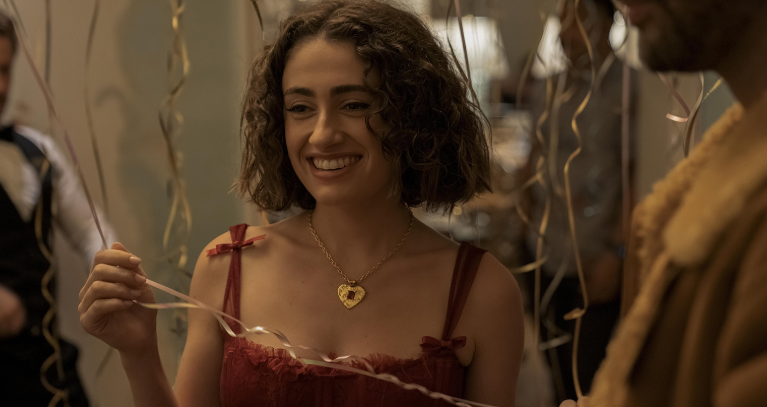
Compare that to I Love LA, which zooms out from Hollywood proper and focuses on its satellite ecosystem: influencer culture. It’s not about producers or prestige, but about proximity to fame. The friend group feels pulled straight from a group chat: the hot influencer, the wannabe manager, the gay stylist, the rich nepo baby. While The Studio shows the machinery, I Love LA shows the people orbiting it, the ones desperately trying to get into the room where it happens. In episode 3, influencer Tallulah gets “canceled,” loses a TRESemmé deal, and spirals through apology drafts. The dream. For once, we’re not lurking in the comment section watching someone fall apart. We’re inside the panic room. It’s chaotic, funny and painfully accurate: a portrait of Gen Z’s relationship with fame as lifestyle rather than career.
And then there are shows that try to be bold but land squarely in the “please stop doing this” zone. The Idol is the clearest example, a neon-lit fever dream that felt like The Weeknd and Sam Levinson’s personal fetish playground accidentally broadcast to millions. It wanted to critique exploitation but ended up glamorizing it. Every scene felt unnecessarily graphic, like someone mistook shock value for storytelling. Fans then noticed Jocelyn’s resemblance to The Weeknd’s ex, Selena Gomez, and things only got worse. It became a meme long before it became a cautionary tale, and the idea of a second season died on impact.
What all these shows have in common, bold or gross, isn’t just self-awareness but a fascination with the performance of fame itself — who gets to wield it, who survives it, and who is delusional enough to think they can control it.
Why Meta TV Is Having a Moment: We’re All Performing Fame
If Hollywood is suddenly obsessed with showing us how fame works, it’s because we are obsessed with imagining ourselves inside it. And nowhere is that clearer than on TikTok, where one of the most bizarrely relatable trends to explode in the last few years is the “fake celebrity interview.”
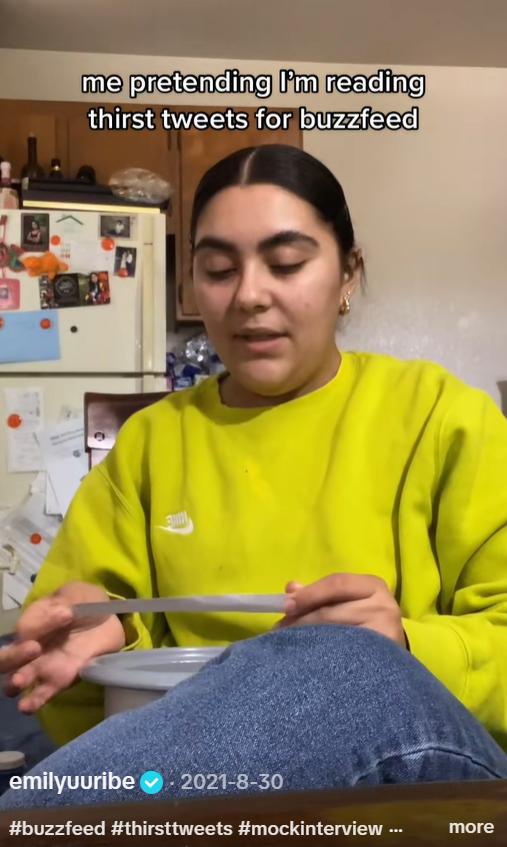
Millions of Gen Z users prop up their phone and slip into a persona: answering imaginary late-night questions, reenacting red-carpet small talk, pretending to be exhausted from a fictional press tour. They don’t imitate specific celebrities — they imitate celebrity as a genre. It’s fame as a filter. Fame as a bit. Fame as a template you can stitch onto your face.
Credits: Emily Uribe on TikTok
Researchers like Dr. Carolina Are call this phenomenon a kind of meta-fame performance, where creators become micro-celebrities themselves by mimicking the performance of celebrity itself. TikToker Emily Uribe built an entire platform off elaborate pretend interviews. Influencer Delaney Rowe roasted Vogue’s 73 Questions to dust. They all noticed the same thing: the apparatus of celebrity has become so standardized that Gen Z can parody it from muscle memory. In an interview with Dazed Magazine, Rowe suggested that “celebrities are almost over-correcting for their extravagant lifestyle by answering questions in this very relatable, likeable, grounded way,”
This is why meta TV hits so hard. We binge The Studio, Hacks, and I Love LA, feeling less like viewers and more like participants in a cultural autopsy. We are finally watching the industry expose the scripts, scandals, brand deals, cancellations, and PR gymnastics we’ve already been analyzing on TikTok.
We grew up consuming bloopers, press-junket memes, NDAs, and PR debacles in real time. We know when an apology video is fake. We can tell when a brand deal was filmed before a breakup announcement. We clock a PR couple before Page Six does.
So it makes perfect sense that the hottest thing on TV right now is TV about the thing we’ve been pretending to be for years:
I Love LA gives us influencer PR nightmares from the inside.
The Studio gives us A-list chaos with stars playing themselves.
Hacks gives us the backroom compromises behind “relatable” comedy.
The Idol gave us nightmares.
These shows aren’t escapism, they’re recognition. Meta TV exists because Hollywood finally picked up on what TikTok revealed first: celebrity is no longer distant — it’s become a format we can all perform, critique, and recreate.
And if audiences want the machinery, the industry will happily keep handing us the blueprints.
Coming Soon: Meta Megastar
Hollywood isn’t just self-aware, it’s self-obsessed in 4K. And somehow, the music industry has managed to leak into this meta format. Leading the ship is music’s unlikeliest hero: Charli XCX.
Just this year, we saw Charli’s memorable cameo on the hit show Overcompensating, and it seems like pop’s favorite brat took a liking to the camera. In January 2026 comes The Moment, a film based on an original idea from Charli herself. Just last October, the popstar shared that following the success of her album brat, she was approached by people interested in producing a concert film of the SWEAT Tour, her collaborative tour alongside Troye Sivan. Still, it seems like the concept of concert films put her off. XCX explained, “My problem with a lot of musician documentaries is it often shows the musician coming up against some kind of opposition and eventually overcoming it to be the hero. That’s just not been my experience, you know?”
From this sprung The Moment, which follows a fictional pop star as she embarks on her first ever arena tour. Sounds familiar?
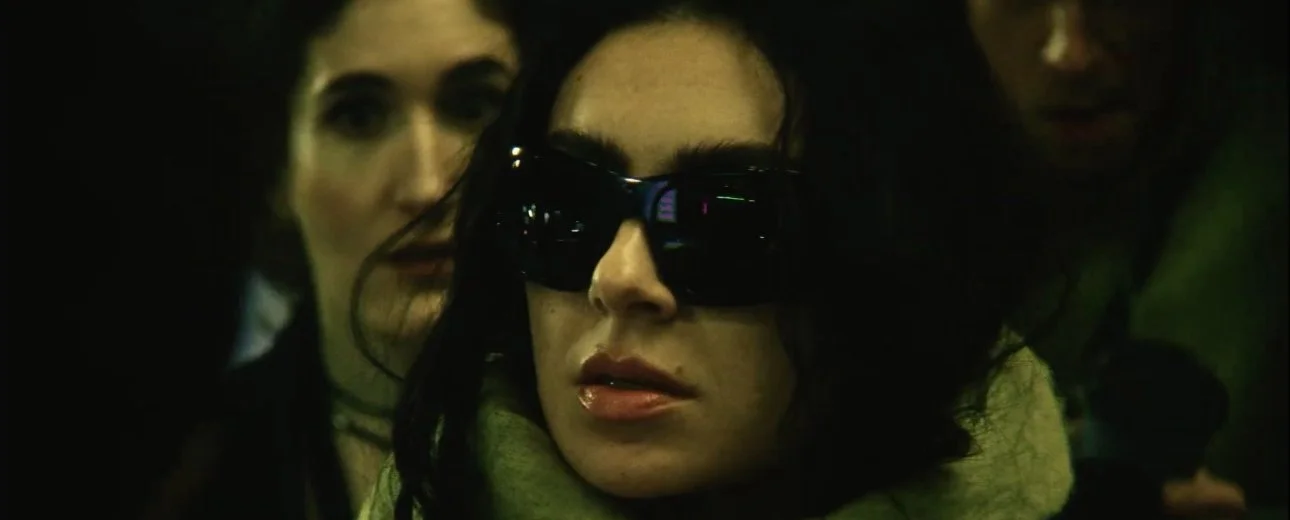
Credits: World of Reel
Charli even described it as “the realest depiction of the music industry I’ve ever seen,” which is both terrifying and deeply exciting. The behind-the-scenes footage in the trailer — label pressures, relevance panic, the choreography spiral of a tour build — is exactly the kind of content Gen Z devours because it blurs the line between documentary and satire.
It’s hard to overstate how meta this is: a pop star making a fictional mockumentary about a pop star who is only fictional in name, based on pressure to make a real documentary. The ouroboros has never eaten its tail with such style.
Release date: January 30, 2026. Mark it.