
Is Beauty Truly Subjective?
The Paradox of Modern Beauty
Beauty is a concept that has been deemed truly subjective for decades, yet currently, everyone seems to look the same. How can entire societies claim to accept and acknowledge differences when most aspire to look like what social media calls perfect; to be the mold?
Instagram Face
In the digital era that we currently live in, every interaction, every profile that gets pushed, and every video that shows up on our For You Page that seems like fate is nothing more than algorithms and companies attempting to make you their most loyal customer.
The term “Instagram face” is often used to describe that perfect beauty. Certain features have been pushed by algorithms, making many celebrities look almost identical, to the point where it appears uncanny. One giveaway feature is the lips. Often, lips are not identical to each other, with the top lip being smaller than the bottom lip. What is attempted when seeking that symmetry and perfection is to even them out, making them the same size.
Cosmetic surgeons are reporting more and more that people tend to show filtered or edited photos of themselves as references. People become so wrapped up in their filtered and “perfect” selves that they forget the fact that real faces laugh, cry, smile, and wrinkle with every expression we make. People are forgetting that aging is something beautiful, something that shows that you have lived.
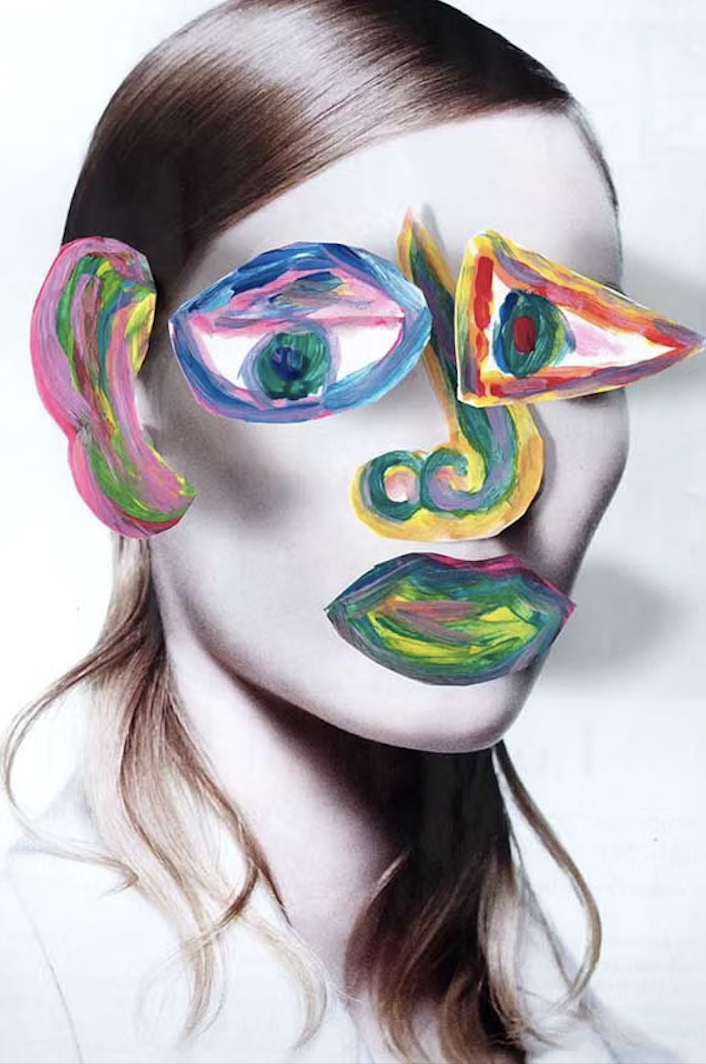
Credit: Howl, New York - Introducing: Zeren Badar
What We Define as Beautiful
Algorithms push certain faces and body types to certain individuals, unconsciously changing their perception of what is beautiful and what is not; who fits that impossible standard and who does not. Highly edited and staged content is what people consume, and all of your favorite social media apps know that. Algorithms are designed to show the “ideal” face of a woman, making it seem like the standard; the average appearance.
A great example of this is the “BBL body.” These types of silhouettes are marketed as desirable and perfect in a way. These features are made to look flawless on camera and in certain clothing, but in reality, they often appear unnatural and exaggerated. Yet on camera, they look perfect and optimized for photos.
Never-Aging Celebrities
“Age blindness” is a term that is being used more commonly every day as a way to describe those celebrities who seem to never age, or even age backwards. Yet this does not seem like a life-changing achievement; instead, it is contributing to something called “age dysmorphia.” People regularly look up to celebrities for the way they look, dress, do their makeup, style their hair, and more. This idea that people should look as young as possible is something that is usually only within reach for celebrities with vast amounts of money.
People are becoming more and more afraid of aging every day. Baby Botox is applied when the first expression line appears, retinol is being used at younger ages, and a new anti-aging product trends every week. This is the reality we now live in: a reality where people are expected to be beauty gurus from as early as the age of seven.
Embracing Individuality
“I'd rather see my face aging than a face that doesn't belong to me at all” is a statement Cameron Diaz made in an interview. Though opinions are divided, many Gen Z individuals actually believe that aging is a beautiful part of life; that there is no shame in living a life full of, well, life. So what if your face shows that you have lived a life full of happiness? It is only a reflection of how much you have lived.
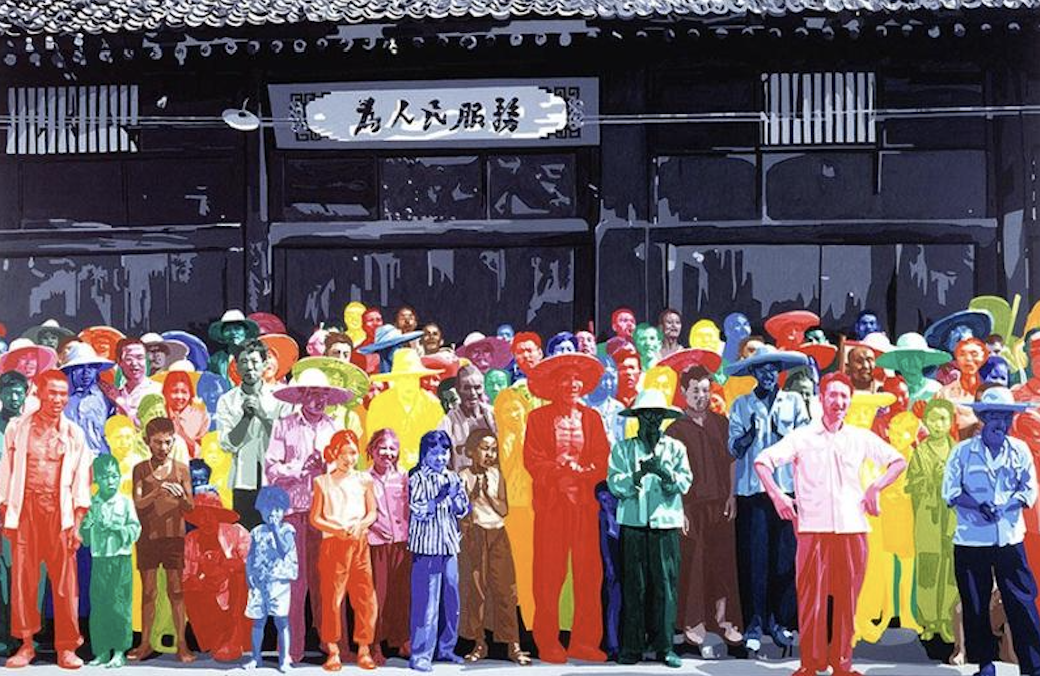
Credit: Centre Pompidou - Gérard Fromanger
Choosing Individuality Over Perfection
We as humans are becoming more predictable every day, and mass corporations know that. We place immense weight on our own and others’ social media presence, to the point that we forget that every video and image that is posted is selected from hundreds, if not thousands, of photos. We all have flaws, even the people who seem the most flawless. Embracing those flaws is what makes us more human; they give us something many people aspire to have: individuality.